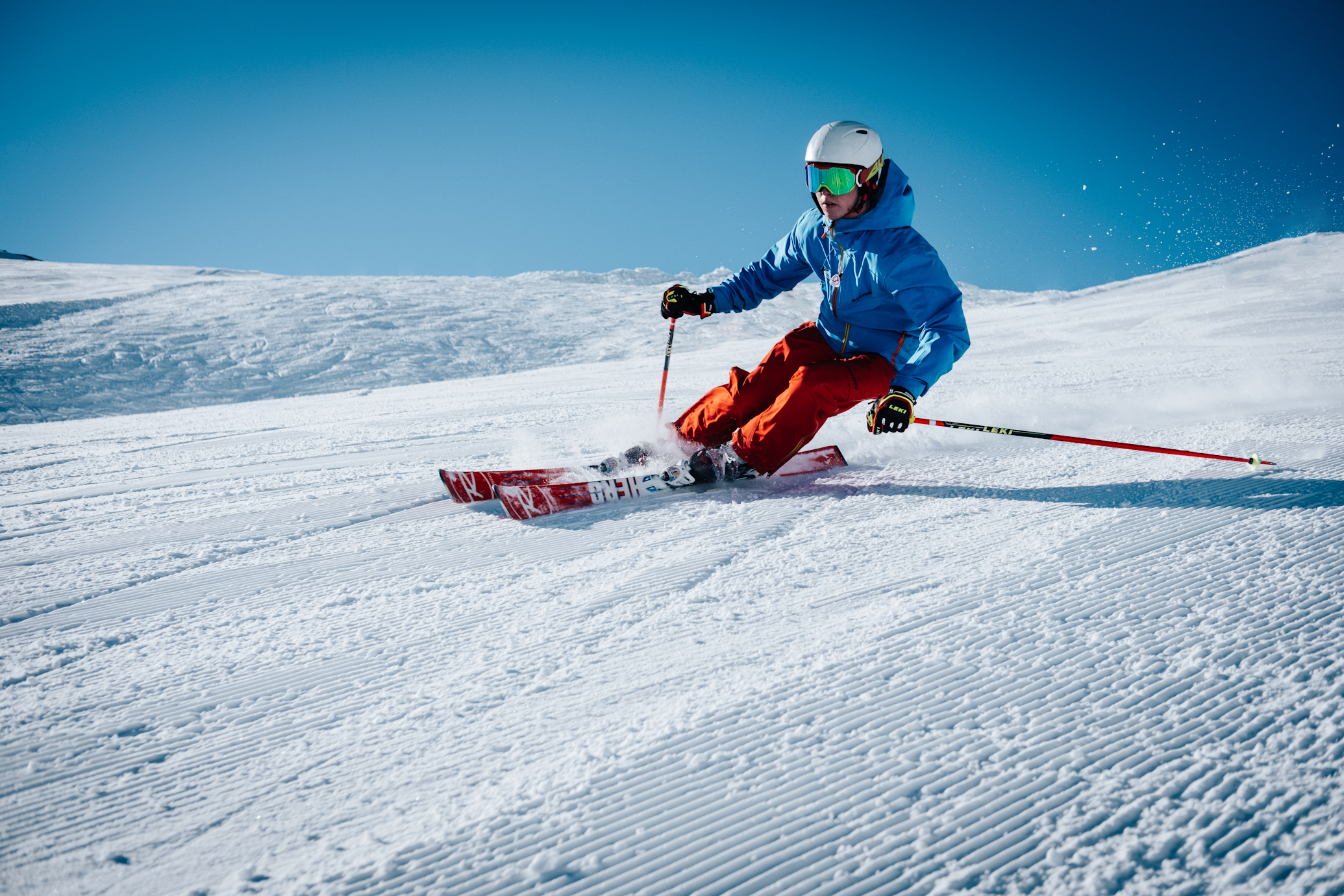
❄️ Winter Pulse: The Fast Track
- NHL Returns: After a 12-year hiatus, the world's best hockey players return to the Olympic stage.
- Medal Dominance: Norway is projected to lead the gold medal count again, fueled by biathlon and cross-country strength.
- New Milestones: 2026 will be the most gender-balanced Winter Games ever, with women comprising 47% of athletes.
The countdown to the 2026 Winter Olympics in Milano Cortina has officially begun. While the Dolomite peaks prepare for their moment in the global spotlight, the athletes are already deep into the mathematical grind of qualification and peak-performance planning. This isn't just about sports; it's about the pinnacle of human capability meeting the most geographically widespread Games in history.
Unlike previous Games centered around a single hub, Milano Cortina spans over 22,000 square kilometers. This decentralization presents a unique challenge for athletes: managing logistics and recovery across diverse micro-climates. But the real story lies in the names that will echo through the valleys of the Alps.
1. The Return of the Giants: NHL Stars Back on Ice
For the first time since 2014, the Olympic hockey tournament will feature current NHL players. This isn't just a win for the fans; it fundamentally alters the medal math. Historically, the absence of NHL stars leveled the playing field, allowing European leagues to dominate. In 2026, we are looking at "Dream Team" scenarios for Canada and the United States.
Predictive Insight: With Connor McDavid and Sidney Crosby likely leading Team Canada, and Auston Matthews spearheading a young, lethal U.S. squad, the gold medal matchup is trending toward a North American showdown. Data from recent World Championships suggests that the speed and transition game of NHL-weighted rosters will be hard for traditional European powerhouses to neutralize on the smaller Olympic rinks.
2. The Medal Table: Norway vs. The World
If history and current seasonal data are any indication, Norway is already clearing space in its trophy cabinets. During the 2022 Beijing Games, Norway secured a record 16 gold medals. Current projections for 2026 suggest a similar haul, likely between 15 and 22 golds.
Norway’s secret isn't just talent; it’s a systemic focus on high-volume medal sports. Biathlon and cross-country skiing offer multiple podium opportunities for a single athlete. Johannes Høsflot Klæbo and Johannes Thingnes Bø are not just athletes; they are medal-generating machines who could individually outrank entire nations.
3. The Athletes Who Will Define 2026
While the team sports grab the headlines, individual mastery remains the soul of the Olympics. Here are three athletes whose data points suggest a historic performance is in the making:
Mikaela Shiffrin (Alpine Skiing, USA)
The most decorated alpine skier of all time is entering what many believe to be her final Olympic cycle. Shiffrin isn't just competing against the slope; she's competing against legacy. After a rollercoaster performance in Beijing, her recent World Cup data shows a return to "surgical" consistency, particularly in the Slalom and Giant Slalom.
Ilia Malinin (Figure Skating, USA)
Known as the "Quad God," Malinin has revolutionized figure skating by landing the first-ever quadruple Axel in competition. If he maintains his current technical difficulty scores, he is statistically untouchable. The 2026 Games will be his stage to prove that technical perfection can also be artistic masterpiece.
Eileen Gu (Freestyle Skiing, China)
The breakout star of 2022 remains a dominant force. Gu's ability to transition across multiple freestyle disciplines (Big Air, Halfpipe, Slopestyle) makes her a rare triple-threat. Current performance trends show her air-time and rotational speed are still 15% above the field average.
4. New Frontiers: Fresh Events and Sustainability
Milano Cortina isn't just about repeating the past. New events like Ski Mountaineering (Skimo) will debut, acknowledging the growing popularity of endurance-based mountain sports. Additionally, the introduction of Dual Moguls as a standalone event adds a layer of head-to-head intensity that has been missing from freestyle skiing.
Beyond the events, the 2026 Games are pushing a heavy sustainability narrative. 90% of the venues already exist, reducing the massive carbon footprint typically associated with "white elephant" stadiums. This shift in Olympic philosophy reflects a broader trend in data-driven sports management: longevity over spectacle.
The Bottom Line
The 2026 Winter Olympics will be a study in contrast—merging the tradition of the Italian Alps with the high-tech, data-backed training methods of the modern athlete. Whether it's the return of hockey’s elite or the crowning of new snow-sports royalty, the numbers suggest one thing: the margin for error has never been thinner. In Milano Cortina, glory will be measured in milliseconds, and the world is already counting down.