📊 The 2026 Collapse: Key Stats
- 1,000,000: The informal market exchange rate of the Iranian Rial to $1 USD as of Jan 2026.
- 52.4%: The official annual inflation rate, though real-world food inflation is estimated at 85%.
- 50%+: Proportion of the Iranian population now living below the absolute poverty line.
- -4.2%: Projected GDP growth for 2026 following the tightening of international energy sanctions.
Walk through the Tajrish Bazaar in northern Tehran today, and the atmosphere isn't just tense—it's terminal. For years, Iranians have practiced a form of economic gymnastics, balancing multiple jobs and devaluing savings against a backdrop of global isolation. But in early 2026, the balance finally broke.
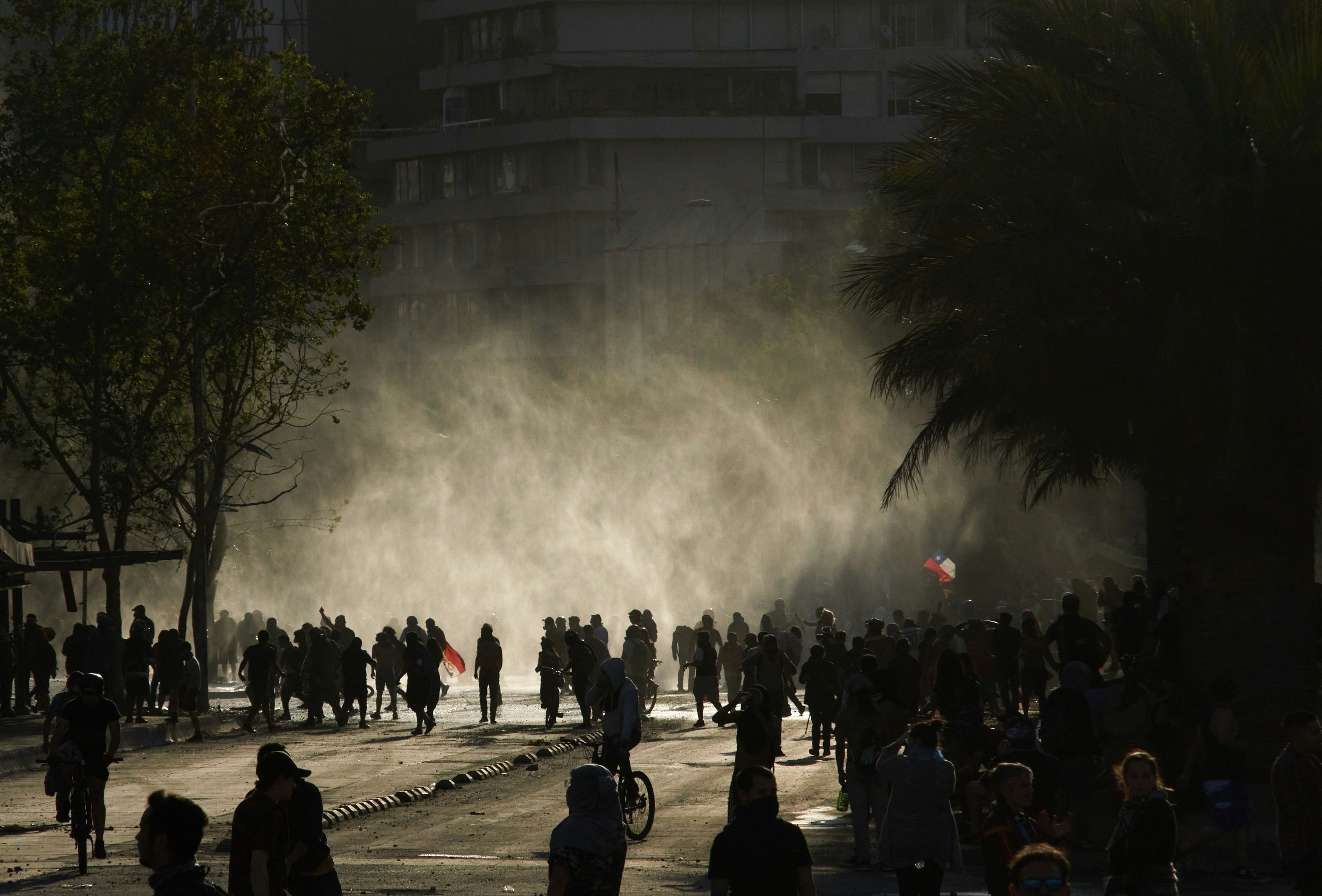
What started as localized strikes by pensioners and teachers has morphed into a nationwide uprising. To understand why, we have to look past the slogans and into the raw, unforgiving data of a nation's financial heart stop.
The Million-Rial Milestone
Psychological thresholds often matter more than economic ones. In the first week of January 2026, the Iranian Rial (IRR) crossed a historic barrier: 1,000,000 rials to a single US dollar. For a citizen earning a median wage, this means their purchasing power has evaporated by nearly 40% in just twelve months.
This isn't just a number on a screen. It means that imported life-saving medicines have vanished from pharmacies. It means that meat has become a luxury item, with consumption dropping by an estimated 60% among middle-income households compared to 2024 levels. When a currency fails this spectacularly, it doesn't just hurt the economy; it dissolves the social contract.
The Sanctions Stranglehold: 2026 Data
While internal mismanagement plays a significant role, the 2026 data shows that the latest "Maximum Pressure 2.0" sanctions have tightened the noose on Iran’s oil exports. In late 2025, secondary sanctions targeted a previously overlooked "ghost fleet" of tankers, causing Iran's daily exports to plummet from 1.5 million barrels to just under 400,000 barrels.
The resulting budget deficit has forced the government to do the one thing that always triggers unrest: printing money. This cycle of "deficit → printing → inflation → devaluation" has reached its mathematical limit.
The Spark: Why This Time is Different
Unlike the protests of 2009 or even 2022, the 2026 uprising is fueled by a demographic that has never known a stable economy. Iranian Gen Z (born between 1997 and 2012) now makes up over 25% of the workforce, yet they face an unemployment rate of nearly 35% among university graduates.
The "why should I care?" factor for the rest of the world is simple: a destabilized Iran at the heart of the Middle East sends shockwaves through global energy markets. In the first 48 hours of the uprising, Brent Crude jumped $5 a barrel on fears of a prolonged disruption in the Strait of Hormuz.
The Absolute Poverty Trap
Perhaps the most damning statistic is the expansion of the "absolute poverty line." In 2020, roughly 15% of Iranians were considered to be in absolute poverty. By Jan 2026, that figure has surpassed 50%. This creates a "nothing to lose" scenario. When a family cannot afford standard bread (Nan-e Barbari), the risks of protesting against an authoritarian regime become secondary to the risks of starvation.
The data suggests that the middle class—the traditional stabilizer of any society—has effectively been liquidated. Doctors, engineers, and teachers are now finding their monthly salaries insufficient to pay even basic rent in major cities like Isfahan or Shiraz.
Conclusion: The Data of Discontent
The economic implosion of 2026 wasn't a sudden accident; it was a slow-motion collision documented in every quarterly report for the last decade. The current uprising is the human vocalization of those spreadsheets. Without a fundamental shift in both domestic management and international engagement, the data points to a period of prolonged instability that will redefine the Persian Gulf for the next decade.
We aren't just watching a protest; we are watching the final collapse of a rentier state economy that failed to adapt to the 21st century.
Frequently Asked Questions
Why did the Rial collapse so fast in 2026?
A combination of tightened secondary sanctions on oil exports, a massive budget deficit being filled by printing money, and a lack of foreign currency reserves led to a "run" on the Rial in early January.
How does this impact global oil prices?
Iran is a major producer. Any internal instability or threats to the Strait of Hormuz (where 20% of the world's oil passes) creates immediate price spikes in global markets.
What is "Maximum Pressure 2.0"?
It refers to the intensified sanctions regime implemented in late 2025, specifically targeting Iran's shadow banking network and its "ghost fleet" of oil tankers used to bypass previous restrictions.